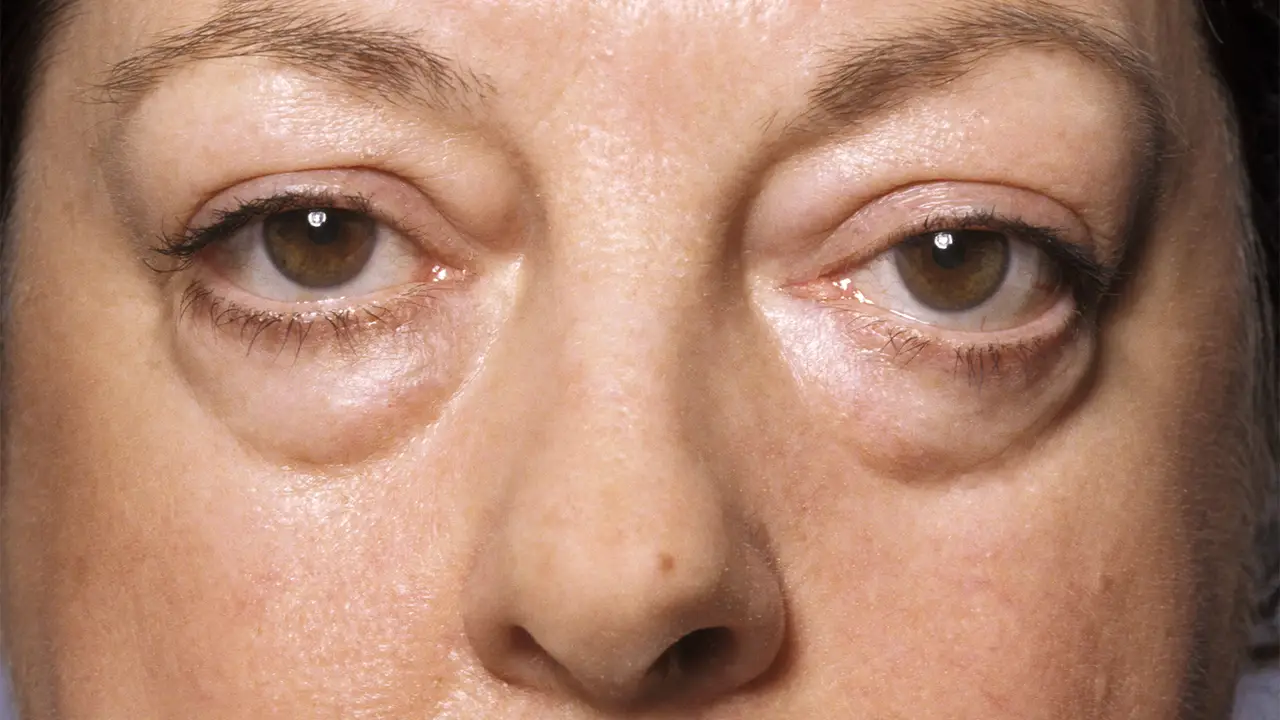
Thyroid Eye Disease
Thyroid Eye Disease—also known as Graves’ Orbitopathy or Thyroid-Associated Ophthalmopathy—is an autoimmune inflammatory disorder that primarily affects the muscles, tissues, and fat surrounding the eyes. It most commonly occurs in individuals with Graves’ Disease, a condition in which the thyroid gland becomes overactive (hyperthyroidism). However, TED can also appear in people with normal or underactive thyroid function.
In this disorder, the immune system mistakenly attacks the tissues around the eyes, causing inflammation, swelling, and tissue expansion. This results in a range of symptoms, from mild irritation to severe disfigurement and vision-threatening complications.
Causes and Mechanism
The underlying cause of Thyroid Eye Disease lies in an autoimmune miscommunication. The body’s defense system, meant to protect against infection, mistakenly targets proteins shared by both the thyroid gland and the orbital tissues. This leads to:
- Inflammation of the eye muscles and surrounding fat
- Accumulation of fluid and glycoproteins in the tissues
- Fibrosis (scarring) as the disease progresses
These changes cause the eyes to push forward (proptosis), the eyelids to retract, and eye movements to become restricted.
Although Graves’ Disease is the most common trigger, other contributing factors include:
- Genetic predisposition
- Smoking (which doubles the risk and severity)
- Stress and hormonal changes
- Uncontrolled thyroid hormone levels
Signs and Symptoms
Thyroid Eye Disease progresses in two distinct phases: an active (inflammatory) phase and an inactive (stable) phase.
During the active phase, inflammation is at its peak, and symptoms may worsen rapidly. These include:
- Bulging or protruding eyes (proptosis)
- Redness and swelling of the eyelids or conjunctiva
- Excessive tearing or dryness
- Grittiness or sensation of sand in the eyes
- Eyelid retraction, causing a “staring” appearance
- Pain or pressure around the eyes
- Double vision (diplopia) due to restricted muscle movement
- Light sensitivity
- Difficulty closing the eyes completely
In severe cases, swelling behind the eye can compress the optic nerve, leading to blurred vision or even vision loss if untreated.
As the condition enters the inactive phase, inflammation subsides, but residual changes—such as scarring, protrusion, or misalignment—may persist.
Diagnosis
Accurate diagnosis of Thyroid Eye Disease involves both endocrinological and ophthalmological evaluation. A multidisciplinary approach ensures that both the thyroid function and the eye health are managed simultaneously.
Common diagnostic steps include:
- Clinical Examination: Visual acuity, eyelid position, eye movement, and color vision are evaluated. Swelling, redness, and exposure symptoms are noted.
- Blood Tests: These assess thyroid hormone levels (T3, T4, TSH) and identify autoimmune markers such as TSH receptor antibodies.
- Imaging Studies:
- CT or MRI scans help assess muscle thickening, fat expansion, and optic nerve compression.
- Orbital ultrasound may also be used to evaluate soft tissue involvement.
- Visual Field Testing: Detects subtle changes in vision due to optic nerve compression.
Treatment Options
Treatment depends on the severity and stage of the disease. The primary goals are to control inflammation, protect vision, and improve appearance.
-
Medical Management
- Control of Thyroid Levels: Achieving and maintaining normal thyroid function is the foundation of treatment. This may involve antithyroid medications, radioactive iodine therapy, or thyroid surgery.
- Corticosteroids: High-dose steroids (such as methylprednisolone) are prescribed to reduce inflammation and swelling during the active phase.
- Immunosuppressive Therapy: In resistant cases, drugs like rituximab, mycophenolate mofetil, or teprotumumab (a newer biologic agent) help suppress the autoimmune response.
- Lubricating Eye Drops: Artificial tears and ointments provide relief from dryness and irritation.
- Lifestyle Adjustments: Stopping smoking, wearing sunglasses, sleeping with the head elevated, and using cool compresses can help ease symptoms.
-
Radiotherapy
In moderate-to-severe cases, orbital radiotherapy may be used to target inflamed tissues. It helps reduce swelling and muscle stiffness when combined with steroid therapy.
-
Surgical Interventions
Once the disease stabilizes (inactive phase), surgery may be performed to restore both function and aesthetics:
- Orbital Decompression Surgery: Removes bone or fat from behind the eye to create more space and reduce bulging.
- Strabismus Surgery: Corrects double vision by realigning eye muscles.
- Eyelid Surgery (Blepharoplasty): Adjusts eyelid position to improve closure and reduce the “staring” appearance.
These reconstructive procedures are typically performed in stages and tailored to each patient’s condition.
Possible Complications
If left untreated or poorly managed, Thyroid Eye Disease can lead to serious complications such as:
- Permanent proptosis (eye bulging)
- Corneal ulcers due to exposure
- Optic neuropathy, resulting in vision loss
- Persistent double vision
- Emotional and psychological distress due to altered facial appearance
Regular follow-ups and early intervention are essential to prevent these outcomes.
Emotional and Psychological Impact
Beyond physical discomfort, TED profoundly affects emotional well-being. The changes in appearance—bulging eyes, asymmetry, or eyelid retraction—can erode self-confidence. Patients may experience anxiety, depression, or social withdrawal.
Emotional rehabilitation, counseling, and support groups play a vital role in helping individuals regain self-assurance. Reconstructive surgery, when appropriate, not only restores form but often rejuvenates one’s sense of identity and self-esteem.
Prognosis and Long-Term Outlook
The course of Thyroid Eye Disease varies from person to person. Most patients experience an active phase lasting 6 to 18 months, followed by a stable phase where inflammation subsides. With timely intervention, most cases can be managed effectively, preserving vision and restoring appearance.
Patients are encouraged to maintain thyroid hormone stability, avoid smoking, and attend regular eye check-ups. In cases with severe complications, multidisciplinary management between endocrinologists, oculoplastic surgeons, and vision therapists ensures optimal recovery.