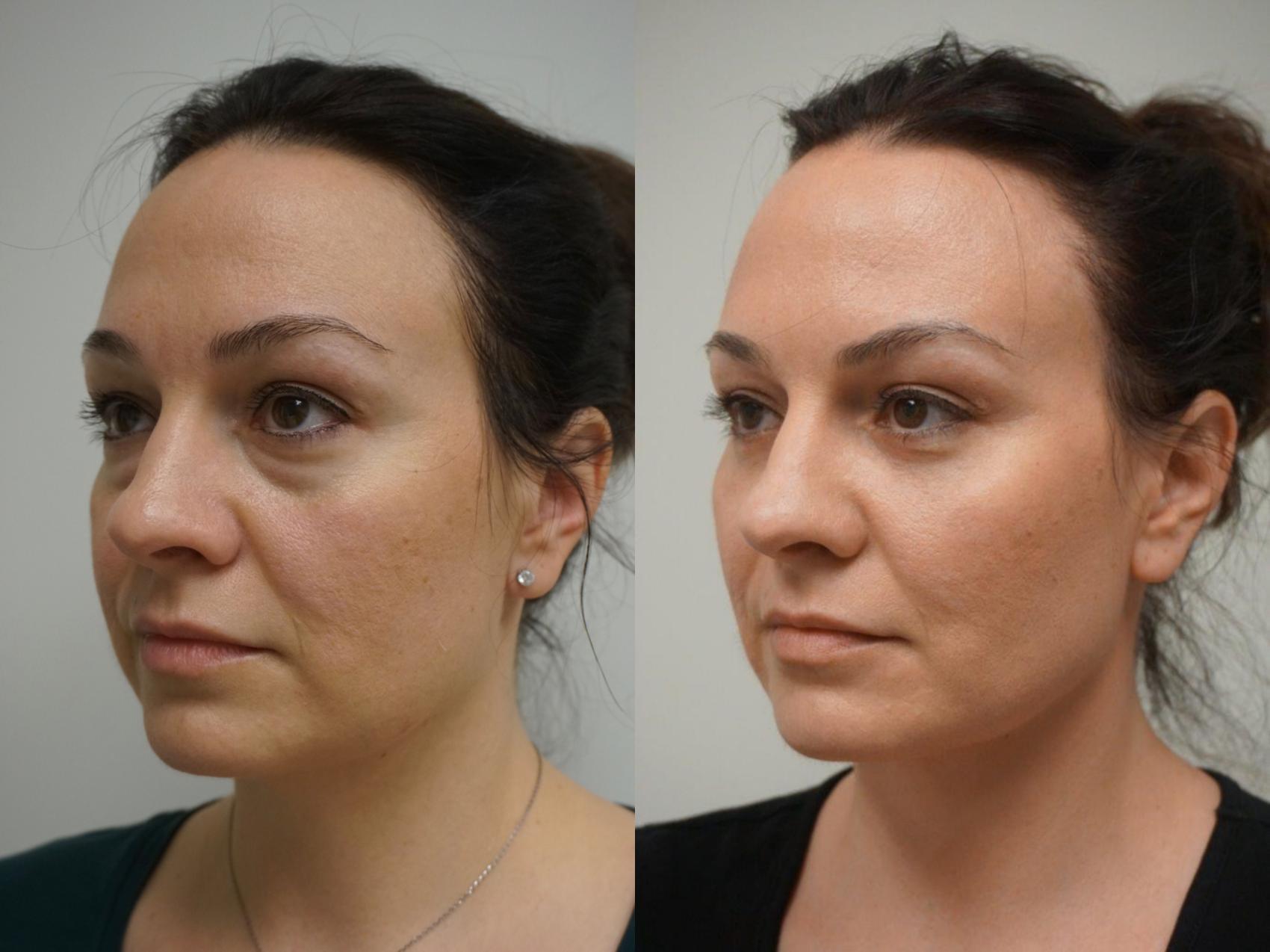
Blepharoplasty
Blepharoplasty is a delicate surgical procedure that removes or repositions excess skin, fat, and muscle from the eyelids. It can be performed on the upper eyelids, lower eyelids, or both, depending on individual needs. While primarily aesthetic, it may also be functional—improving vision in cases where sagging skin obstructs sight.
The essence of blepharoplasty lies not in altering appearance but in restoring freshness. It brightens the eyes, erases the look of tiredness, and subtly rejuvenates without changing one’s natural expression.
Why Eyelids Age
The skin around the eyes is among the thinnest and most delicate on the body. Over time, repeated facial expressions, sun exposure, gravity, and collagen loss lead to sagging, wrinkles, and bulging fat deposits. The supporting muscles weaken, and the natural elasticity diminishes, creating puffiness under the eyes and heaviness above them.
Lifestyle factors such as smoking, lack of sleep, dehydration, and genetics can hasten this process. The result is a fatigued, aged, or even stern appearance—one that often doesn’t reflect the individual’s inner energy or mood.
Types of Blepharoplasty
-
Upper Eyelid Blepharoplasty
This procedure focuses on removing excess skin and fat from the upper eyelid, creating a more defined eyelid crease and reducing the hooded effect. It’s ideal for individuals with:
- Drooping skin over the eyes
- Difficulty applying makeup
- Vision partially obstructed by loose skin
The result is a refreshed upper eye contour that opens the gaze and restores a youthful alertness.
-
Lower Eyelid Blepharoplasty
This targets the puffiness or “bags” beneath the eyes. The surgeon removes or repositions fat deposits and tightens the underlying skin for a smoother, firmer look. It’s perfect for those with:
- Puffy under-eye bags
- Fine wrinkles or loose skin below the eyes
- Hollow or sunken appearance under the eyelids
The lower eyelid lift creates a seamless transition between the eye and cheek, eliminating the shadowed tired look.
-
Double (Upper and Lower) Blepharoplasty
For comprehensive rejuvenation, both upper and lower eyelids are treated simultaneously. This combined approach ensures overall harmony, particularly when aging affects both areas equally.
The Procedure: Step by Step
- Consultation & Assessment: Every blepharoplasty begins with a detailed consultation. The surgeon evaluates eyelid structure, skin tone, muscle strength, and fat distribution. Discussions about expectations and outcomes ensure that the procedure complements the patient’s natural features.
- Anesthesia: Blepharoplasty is generally performed under local anesthesia with sedation or general anesthesia, depending on complexity and patient comfort.
-
Incision Placement:
- Upper eyelid: The incision is made along the natural crease, allowing scars to blend seamlessly.
- Lower eyelid: The incision can be placed just below the lash line or inside the eyelid (transconjunctival approach) to minimize visible scarring.
- Tissue Adjustment: Excess skin, muscle, or fat is carefully removed or repositioned. Modern techniques often focus on redistribution of fat to avoid a hollowed look and maintain natural fullness.
- Closure & Recovery: The incisions are closed with fine sutures. Cooling compresses and prescribed ointments aid the healing process.
The surgery typically takes 1 to 3 hours, depending on whether one or both eyelids are treated.
Recovery and Aftercare
Post-surgery, mild swelling, bruising, and tightness around the eyes are common for the first few days. Most patients resume light activities within a week. Sunglasses help protect the eyes during healing, and keeping the head elevated minimizes swelling.
Recovery Timeline:
- 1–3 days: Swelling and mild discomfort peak.
- 1 week: Sutures removed, bruising fades.
- 2–3 weeks: Most visible signs subside; makeup can be applied.
- 1–2 months: Final results emerge with smoother, firmer eyelids.
Results are long-lasting, with many patients enjoying youthful eyes for 8–12 years or more.
Benefits of Blepharoplasty
- Rejuvenated Appearance: Eyes appear brighter, larger, and more youthful.
- Improved Vision: In cases of severe drooping, peripheral vision may improve.
- Natural Results: Modern techniques emphasize subtlety—revitalizing without altering expression.
- Minimal Scarring: Incisions heal discreetly within natural folds or lashes.
- Boosted Confidence: Restored vibrancy often enhances self-esteem and facial expressiveness.
Unlike fillers or temporary treatments, blepharoplasty addresses the structural cause of aging around the eyes, offering enduring improvement.
Risks and Considerations
While generally safe, blepharoplasty—like all surgeries—carries some risks, including:
- Dry eyes or temporary irritation
- Mild asymmetry
- Bruising or swelling
- Rare complications such as infection or difficulty closing the eyes
Selecting a board-certified plastic or oculoplastic surgeon minimizes these risks and ensures natural, balanced results. Proper pre-surgical assessment and following aftercare guidelines are crucial to recovery.
Blepharoplasty vs. Non-Surgical Alternatives
Those hesitant about surgery can explore non-invasive treatments, though their effects are often temporary or limited:
- Dermal Fillers: Add volume to tear troughs or hollow under-eyes.
- Laser Resurfacing: Improves fine lines and skin texture.
- Radiofrequency or Ultrasound Therapy: Tightens mild sagging through collagen stimulation.
- Thread Lift: Provides subtle lifting for early-stage drooping.
While effective for mild concerns, these options cannot match the precision or lasting impact of surgical blepharoplasty.
The Psychological and Emotional Impact
Beyond aesthetics, blepharoplasty often yields profound emotional benefits. Patients describe feeling lighter, more confident, and genuinely aligned with how they feel inside. The removal of sagging or puffiness doesn’t just enhance beauty—it restores self-assurance and expressiveness.
Looking in the mirror, one no longer sees weariness or strain but a reflection that mirrors vitality and inner youth. The transformation is subtle yet deeply empowering.
Longevity and Maintenance
Results from blepharoplasty are enduring. While aging continues naturally, the improved contour and smoothness last for many years. Maintaining results involves:
- Proper sun protection
- Adequate sleep and hydration
- A healthy diet rich in antioxidants
- Skincare with retinoids or peptides
- Avoiding smoking and excessive alcohol consumption
Periodic non-surgical treatments like lasers or skin tightening can further preserve the surgical outcome.