Ocular Trauma
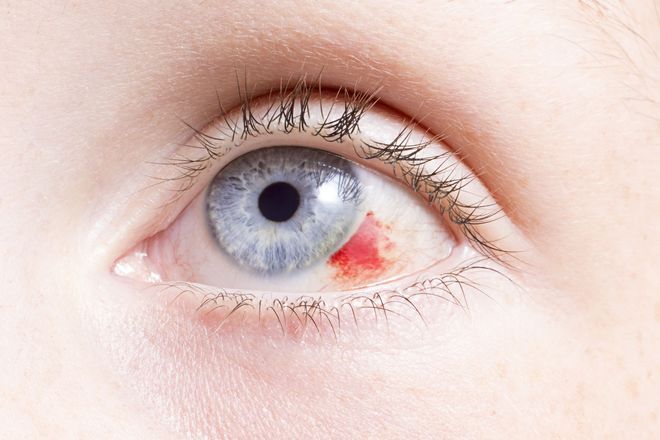
Ocular trauma refers to any injury that affects the eye or orbit (the bony socket surrounding the eyeball). It may involve the eyelids, conjunctiva, cornea, sclera, lens, retina, or optic nerve. These injuries can be caused by blunt impact, sharp penetration, burns, explosions, or chemical exposure.
Eye trauma is among the leading causes of visual impairment globally, affecting people of all ages. In particular, children, industrial workers, and individuals involved in sports or road accidents face the greatest risk.
Types of Ocular Trauma
Ocular trauma can be broadly divided into two categories:
- Closed Globe Injury (Blunt Trauma): The eye remains intact but suffers internal damage due to impact. Common examples include sports injuries, fist blows, or accidents. This type can lead to bleeding inside the eye (hyphema), lens dislocation, retinal detachment, or swelling of internal structures.
- Open Globe Injury (Penetrating or Perforating Trauma): The outer layers of the eye—cornea and sclera—are ruptured or pierced by sharp objects like glass, metal fragments, or sticks. These injuries are severe, often accompanied by tissue loss, infection risk, and potential blindness if untreated.
Common Causes
Ocular trauma arises from various everyday and occupational hazards. Some common causes include:
- Road accidents and falls
- Industrial mishaps and construction site injuries
- Sports-related impacts (cricket balls, shuttlecocks, etc.)
- Domestic accidents (detergent splashes, sharp tools)
- Assaults or physical altercations
- Explosions or fireworks
- Children’s play-related accidents
Each cause carries distinct injury patterns, and early detection can make the difference between temporary damage and permanent vision loss.
Symptoms and Warning Signs
The symptoms of ocular trauma vary based on severity and location of injury. Some common signs include:
- Sudden pain or throbbing sensation in the eye
- Redness and swelling around the eyelids
- Tearing or excessive watering
- Blurred or double vision
- Sensitivity to light (photophobia)
- Bleeding inside or outside the eye
- Difficulty moving the eye or closing the lid
- Visible wound, foreign body, or change in eye shape
Severe cases may show loss of vision, protrusion of the eye, or fluid leakage—each signaling the need for emergency medical attention.
Immediate First Aid Measures
In cases of eye trauma, the first response is critical. Immediate actions can significantly affect recovery outcomes:
- Do not rub or apply pressure to the injured eye.
- Avoid rinsing or removing foreign objects embedded in the eye.
- If a chemical is involved, rinse with clean water or saline continuously for at least 15–20 minutes.
- Cover the injured eye with a clean shield or cup—avoid tight bandages.
- Seek emergency medical help immediately.
Never attempt to self-treat or apply ointments without professional supervision, as improper handling can worsen the injury.
Diagnosis and Medical Evaluation
Once at the hospital, an ophthalmologist performs a detailed assessment to determine the nature and depth of the trauma. Diagnostic procedures may include:
- Visual acuity testing to assess sight clarity.
- Slit-lamp examination for detailed inspection of the eye’s surface.
- Fundus examination to check the retina and optic nerve.
- CT or MRI scans to detect fractures, foreign bodies, or orbital damage.
- Ultrasound imaging when direct visualization is obstructed by swelling or bleeding.
The goal of diagnosis is to identify both visible and hidden injuries that could threaten long-term vision.
Treatment Options
Treatment depends on the type and extent of injury:
- Minor Injuries: Superficial scratches, corneal abrasions, or mild swelling can often be treated with antibiotic eye drops, lubricants, and rest.
- Blunt Trauma: Requires anti-inflammatory medication, pain management, and close monitoring for secondary complications like glaucoma or retinal detachment.
- Open Globe Injuries: These demand immediate surgical repair under sterile conditions to prevent infection (endophthalmitis) and restore structural integrity.
- Chemical and Thermal Burns: Continuous irrigation is the first step, followed by anti-inflammatory and antibiotic therapy. Severe burns might need reconstructive surgery.
- Orbital Fractures: Managed by an oculoplastic surgeon, these injuries may need surgical realignment or implantation to restore normal function and appearance.
After stabilization, patients often require visual rehabilitation and periodic monitoring to preserve vision.
Complications of Ocular Trauma
Untreated or severe eye injuries can lead to long-term or irreversible complications such as:
- Permanent vision loss or blindness
- Glaucoma (increased eye pressure)
- Cataract formation
- Retinal detachment
- Corneal scarring or opacities
- Sympathetic ophthalmia – an immune reaction affecting the healthy eye
- Chronic infection or socket deformity
Early intervention, surgical repair, and post-injury rehabilitation greatly reduce these risks.
Prevention: Protecting the Eyes from Trauma
Prevention remains the best strategy against ocular trauma. Key protective measures include:
- Wearing safety goggles or face shields during industrial work or while handling chemicals.
- Using sports eye gear during high-risk activities.
- Keeping hazardous substances labeled and out of children’s reach.
- Installing protective guards on machinery and sharp household tools.
- Avoiding fireworks or handling them responsibly.
- Regular eye check-ups after even minor injuries to detect hidden damage.
A moment of caution can save a lifetime of regret.
Rehabilitation and Emotional Healing
The aftermath of severe ocular trauma extends beyond physical healing. The emotional toll of vision loss or disfigurement can be profound. Rehabilitation programs may include:
- Low vision therapy for patients with partial sight.
- Psychological counseling to help adapt to lifestyle changes.
- Artificial eye fitting or reconstructive surgery to restore facial balance and confidence.
- Occupational training to regain independence in daily activities.
Empathy, family support, and professional guidance play a crucial role in recovery and self-acceptance.