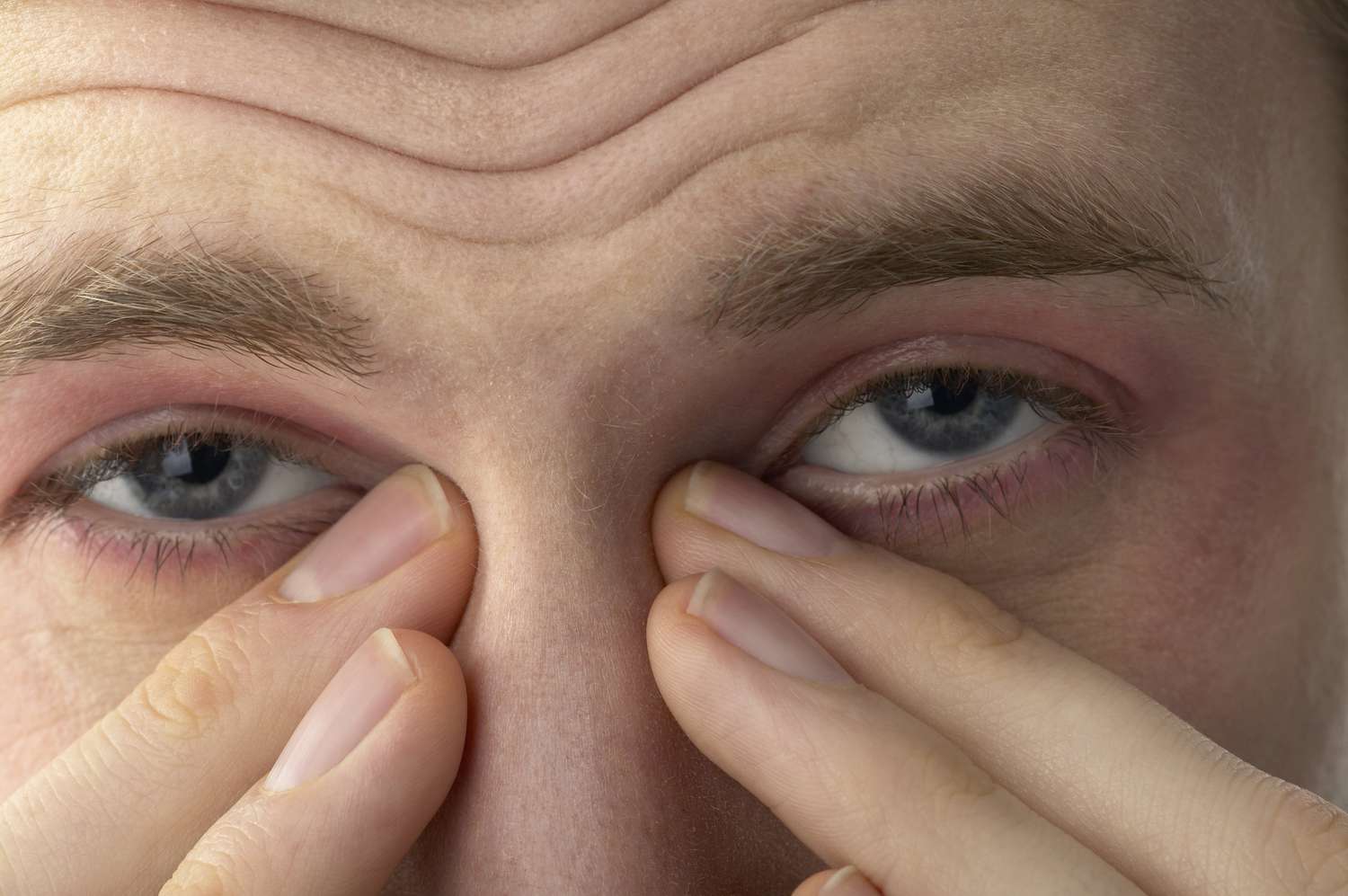
Tear Duct Trauma
The tear duct system, or lacrimal drainage system, is a delicate network responsible for channeling tears from the eyes into the nasal cavity. When this intricate structure sustains injury, it is known as tear duct trauma — a condition that can disrupt normal tear flow, leading to persistent tearing (epiphora), infection, or even long-term damage if left untreated. Such trauma can occur from blunt force, sharp injuries, surgical complications, or facial fractures, particularly around the nose and eye region.
Causes of Tear Duct Trauma
Tear duct trauma can result from various causes, ranging from accidental injuries to medical procedures. Some of the most common include:
- Blunt Facial Injuries: Accidents such as sports impacts, falls, or motor vehicle collisions can damage the delicate structures near the inner corner of the eye.
- Sharp or Penetrating Wounds: Cuts from glass, metal, or sharp objects may sever the canaliculi or lacrimal sac.
- Surgical Trauma: Procedures involving the eyelids, nose, or sinus may inadvertently damage the tear duct system.
- Animal or Human Bites: Bites around the eye area can tear or crush the lacrimal passages.
- Fractures of the Facial Bones: Fractures near the nasal bone or orbital rim often disrupt the nasolacrimal duct.
- Thermal or Chemical Burns: Burns can scar or destroy the tissue around the tear duct, leading to permanent blockage.
Symptoms of Tear Duct Trauma
The symptoms of tear duct trauma vary depending on the severity and location of the injury. Common signs include:
- Excessive tearing (Epiphora): Continuous overflow of tears due to blockage or misalignment of the duct.
- Pain and Swelling: Especially near the inner corner of the eye or along the nasal bridge.
- Blood-Stained Tears: Indicative of tissue injury or canalicular laceration.
- Discharge: Mucus or pus may appear if infection develops.
- Bruising and Redness: Around the eye or nose, common after blunt trauma.
- Difficulty Opening the Eye: In severe cases with eyelid swelling or associated fractures.
If the lacrimal system is completely severed, the patient may not feel immediate pain but will later experience constant tearing and potential infection.
Diagnosis
Diagnosing tear duct trauma requires careful examination by an ophthalmologist or oculoplastic surgeon. Since the injury often occurs in conjunction with facial trauma, both eye and facial assessments are critical. Diagnostic methods include:
- Visual and Palpation Examination: The doctor inspects for visible lacerations, swelling, and tear overflow.
- Probing and Irrigation Test: A small probe or saline solution is passed through the tear duct to assess patency and identify blockage sites.
- Fluorescein Dye Test: A harmless dye helps track the tear flow and reveal any leak or obstruction.
- Imaging (CT or MRI Scan): In cases of facial fractures or deep tissue trauma, imaging helps evaluate bone involvement and structural alignment.
Treatment of Tear Duct Trauma
Treatment for tear duct trauma depends on the type, extent, and timing of the injury. The goal is to restore tear drainage, prevent infection, and maintain eye comfort.
1. Immediate Care
In cases of fresh trauma, the area is cleaned carefully to prevent infection. Any bleeding is controlled, and antibiotic drops or ointments are applied to minimize bacterial growth.
If a laceration involves the canaliculi (the fine drainage tubes), immediate surgical repair within 24 to 48 hours is crucial to prevent scarring and permanent blockage.
2. Canalicular Laceration Repair
When one or both canaliculi are cut, a procedure called canalicular intubation is performed. This involves:
- Micro-Surgical Repair: The surgeon aligns and sutures the torn ends under magnification.
- Silicone Tube Stenting: A soft silicone stent is inserted through the puncta and canaliculi into the nose to keep the passage open during healing. The stent typically remains in place for 3–6 months before removal.
This delicate surgery requires precision and expertise to preserve normal tear function.
3. Treatment for Nasolacrimal Duct Injury
If the nasolacrimal duct or sac is obstructed or damaged, a dacryocystorhinostomy (DCR) procedure may be required. This surgery creates a new passage between the lacrimal sac and the nasal cavity, bypassing the blocked duct.
In less severe cases, balloon dacryoplasty or stent placement may suffice to reopen the duct and restore tear drainage.
4. Managing Associated Injuries
Tear duct trauma often occurs with facial fractures or eyelid injuries. Hence, treatment may also include fracture stabilization, suturing eyelid wounds, or reconstructive procedures. Coordination between ophthalmologists, plastic surgeons, and ENT specialists ensures comprehensive care.
5. Antibiotics and Anti-Inflammatory Care
To prevent infection, patients are prescribed antibiotic eye drops, oral antibiotics, and occasionally anti-inflammatory medications. These help control swelling, prevent pus formation, and promote healing.
Recovery and Aftercare
Post-surgical care is vital for a successful outcome. Patients are usually advised to:
- Keep the treated area clean and dry.
- Avoid rubbing or pressing near the eye.
- Use prescribed antibiotic and lubricant eye drops regularly.
- Sleep with the head elevated to minimize swelling.
- Attend follow-up appointments for stent checks and removal.
Mild redness or tearing may persist for a few weeks but typically resolves as healing completes. The majority of patients regain normal tear drainage after proper surgical repair.
Possible Complications
While most tear duct trauma cases heal well with timely intervention, complications can arise if left untreated or poorly managed. These may include:
- Chronic Tearing (Epiphora): Due to incomplete repair or scar formation.
- Infection or Abscess: Resulting from fluid stagnation within the lacrimal sac.
- Scarring and Narrowing: Leading to partial duct obstruction.
- Cosmetic Deformity: Misalignment or scarring around the eyelid or inner eye corner.
- Revision Surgery: Occasionally required if the duct re-blocks or the stent dislodges prematurely.
Prevention of Tear Duct Trauma
While accidental injuries cannot always be prevented, certain measures can minimize risks:
- Wear protective eyewear during sports or hazardous activities.
- Practice caution during cosmetic or sinus surgeries near the eyes.
- Use seat belts to reduce facial impact during accidents.
- Seek immediate medical care after any eye or facial injury to prevent complications.