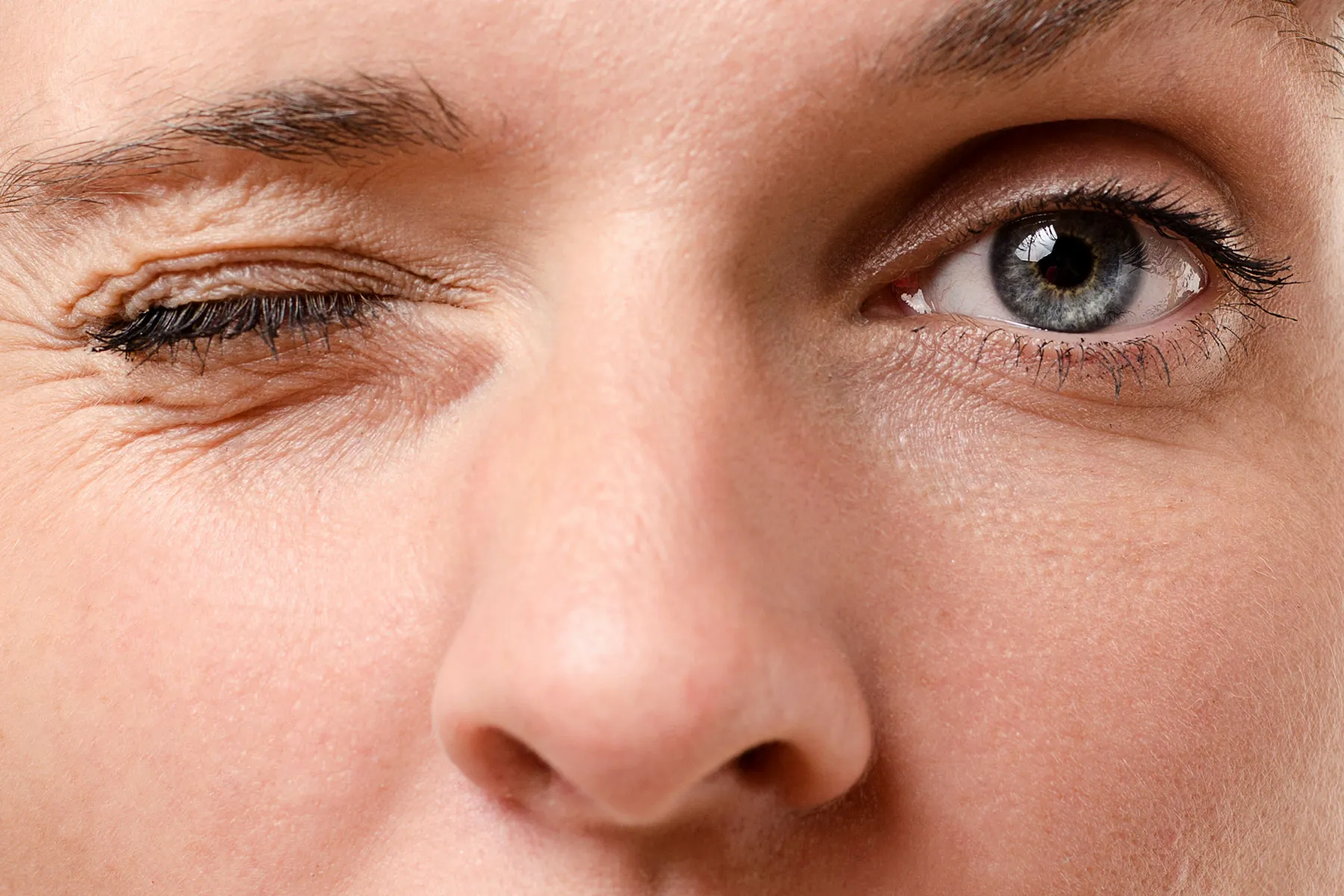
Eyelid Twitching Treatment in Gurugram
Eyelid Twitching
Eyelid twitching, medically known as myokymia, is a common condition characterized by involuntary, repetitive spasms of the eyelid muscles. While usually harmless, it can be bothersome and sometimes indicate underlying stress, fatigue, or eye strain. Twitching most often affects the lower eyelid, though the upper eyelid may also be involved. Episodes can last from a few seconds to several weeks and are typically intermittent, disappearing on their own without treatment.
The eyelids are controlled by delicate muscles, primarily the orbicularis oculi, which encircle the eye. In myokymia, small involuntary contractions of these muscles occur, often producing a subtle flickering or fluttering sensation. Though alarming, eyelid twitching is generally benign and does not impair vision or cause permanent damage.
Common Causes
- Fatigue and Lack of Sleep: Sleep deprivation stresses the muscles and nerves around the eyes, triggering twitching.
- Stress and Anxiety: Physical manifestations of stress often include eyelid spasms.
- Eye Strain: Prolonged screen time, reading, or exposure to bright lights can overwork the eye muscles.
- Caffeine or Stimulants: Excessive intake of coffee, tea, energy drinks, or medications containing stimulants may provoke eyelid twitching.
- Dry Eyes: Irritation due to dryness, contact lens use, or prolonged computer work can lead to spasms.
- Nutritional Imbalances: Deficiencies in magnesium or other essential minerals may contribute to muscle twitching.
- Allergies or Irritants: Eye allergies causing itching or swelling may trigger involuntary muscle contractions.
- Neurological Disorders (Rare): Persistent twitching could signal conditions like blepharospasm or hemifacial spasm, requiring specialist evaluation.
Symptoms of Eyelid Twitching
- Involuntary flickering or fluttering of the eyelid
- Usually painless, though sometimes mild discomfort is reported
- May involve upper or lower eyelid
- Often intermittent, increasing with fatigue or stress
- Rarely, persistent twitching may affect the entire eyelid or face
Most cases resolve spontaneously within days to weeks, and only a small fraction requires medical intervention.
Diagnosis
A healthcare professional can usually diagnose eyelid twitching through a clinical examination and detailed medical history. Important factors considered include:
- Duration and frequency of twitching
- Associated symptoms (e.g., eye redness, swelling, or pain)
- Lifestyle factors (sleep, stress, caffeine intake)
- Medication use and underlying medical conditions
If twitching is persistent or accompanied by other neurological signs, further evaluation may include eye exams, blood tests, or referral to a neurologist.
Management and Treatment
Most eyelid twitches are self-limiting and improve with lifestyle modifications:
- Rest and Sleep: Prioritize adequate sleep to reduce eye and muscle fatigue.
- Stress Management: Techniques such as meditation, deep breathing, and yoga help minimize muscle spasms.
- Reduce Caffeine and Stimulants: Limiting coffee, energy drinks, or other stimulants may decrease twitching episodes.
- Eye Care: Take regular breaks during screen use (20-20-20 rule). Use lubricating artificial tears for dryness. Ensure proper contact lens hygiene.
- Nutritional Support: Maintaining a balanced diet rich in magnesium, calcium, and potassium may help prevent muscle spasms.
- Medications (Rare Cases): Persistent or severe twitching may require botulinum toxin injections or oral medications under a doctor’s guidance.
When to See a Doctor
Consult a healthcare professional if:
- Eyelid twitching persists for more than a few weeks
- Twitching spreads to other parts of the face
- There is drooping eyelids, redness, swelling, or vision changes
- Neurological symptoms such as weakness, numbness, or uncontrolled movements appear
Early assessment ensures no serious underlying conditions are missed.
Prevention Tips
- Get adequate sleep each night.
- Reduce stress through relaxation techniques.
- Limit screen time and follow proper ergonomic practices.
- Moderate caffeine intake.
- Keep eyes lubricated with artificial tears.