Brow Lift Surgery in Gurugram
Brow Lift
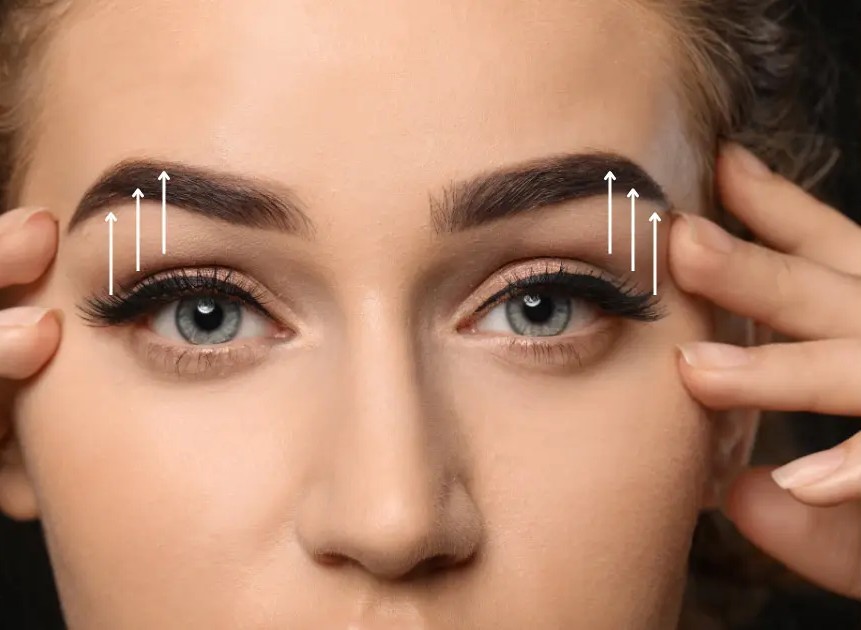
The brow—an elegant arch above the eyes—plays a vital role in shaping one’s facial expression. It mirrors emotion, communicates mood, and frames the face’s most expressive feature: the eyes. With age, gravity and time can cause the brow to descend, leading to a weary, stern, or aged appearance. Brow Lift Surgery, also known as a forehead lift, restores this youthful elevation by repositioning the brows, smoothing forehead creases, and rejuvenating the upper face. The result is not just a lifted brow but a refreshed countenance that radiates vitality, balance, and grace.
Understanding the Essence of a Brow Lift
A brow lift is a surgical procedure designed to raise drooping eyebrows and smooth deep furrows that develop across the forehead and between the eyes. These furrows—often called “frown lines”—can project an unintended look of anger or fatigue. Through precise surgical artistry, a brow lift restores natural curvature, softens harsh lines, and opens the upper facial region, bringing harmony to the entire visage.
This procedure is not merely cosmetic; it’s restorative. It revives the gentle expressions of youth while maintaining the unique contours that define individuality. By subtly lifting the brows, the surgeon brings balance to the forehead, eyelids, and eyes, creating a cohesive and natural rejuvenation.
Why the Brow Begins to Fall
Aging, sun exposure, and repetitive facial movements all contribute to the gradual descent of the brow. Over time, the skin loses elasticity as collagen and elastin fibers weaken. Gravity pulls the soft tissue downward, resulting in sagging brows that crowd the upper eyelids. This can make one appear perpetually tired, worried, or stern—emotions that may not reflect how the individual truly feels.
Lifestyle factors such as stress, smoking, and lack of hydration can accelerate this process. Genetics also play a role, influencing skin thickness and muscle strength. For some, the brow may droop asymmetrically, causing imbalance in facial expressions. A brow lift redefines this equilibrium by repositioning the tissues to a more youthful height and contour.
Different Techniques of Brow Lift Surgery
Modern aesthetic surgery offers several techniques for brow lifting, each designed to suit specific anatomical needs and aesthetic goals. The surgeon’s expertise determines which approach will yield the most natural and lasting results.
- Classic (Coronal) Brow Lift: This traditional method involves a continuous incision made behind the hairline, across the top of the head. The forehead skin is gently lifted, muscles are adjusted, and excess tissue is removed. It produces long-lasting results and is ideal for those with advanced sagging and deep creases.
- Endoscopic Brow Lift: A minimally invasive alternative, this technique employs small incisions hidden within the hairline. A tiny camera (endoscope) and specialized instruments allow the surgeon to reposition muscles and tissues with precision. It minimizes scarring and shortens recovery time.
- Temporal (Lateral) Brow Lift: Focused primarily on lifting the outer portions of the brows, this approach targets drooping at the temples, which can cause a “hooded” eye effect. It provides a subtle yet elegant elevation and is often combined with eyelid surgery.
- Direct Brow Lift: In this method, incisions are made directly above the eyebrows, removing a strip of skin to elevate the brow line. While it leaves a faint scar, it is highly effective for patients with heavy, overhanging brows, especially men.
- Transblepharoplasty Brow Lift: This technique lifts the brow through the same incision used for upper eyelid surgery (blepharoplasty). It’s ideal for individuals requiring moderate correction without additional scalp incisions.
Each technique has its own merits, tailored to the patient’s anatomy, goals, and desired recovery time.
The Procedure: Step by Step
-
Consultation and Planning:
The journey begins with a thorough consultation. The surgeon examines facial anatomy, skin elasticity, hairline position, and muscle movement. Together with the patient, they determine the best approach—balancing aesthetics with natural proportion.
-
Anesthesia:
Depending on the technique, local anesthesia with sedation or general anesthesia is used to ensure comfort throughout the procedure.
-
The Surgery:
Once anesthesia takes effect, the surgeon makes precise incisions based on the chosen method. The underlying muscles and tissues are carefully lifted and secured in a higher position. Excess skin may be removed, and fine sutures close the incisions delicately.
-
Recovery Phase:
Patients typically experience mild swelling, tightness, or bruising, which subsides over a week or two. Cold compresses and prescribed medication aid healing. Most return to regular activities within 10–14 days, though full results emerge gradually as the tissues settle.
Expected Results and Longevity
A successful brow lift yields eyes that appear more open, alert, and youthful. The forehead looks smoother, and facial expressions regain natural warmth and clarity. Unlike temporary solutions such as Botox, which relaxes forehead muscles, a brow lift delivers enduring structural rejuvenation that can last 10 to 15 years or longer.
The incision lines are strategically placed within or along the hairline, ensuring minimal visibility once healed. The best outcomes maintain facial authenticity—lifting without the “overdone” look often associated with aggressive procedures. The goal is refinement, not reinvention.
Complementary Procedures
A brow lift is often combined with other facial enhancements to achieve a balanced rejuvenation:
- Blepharoplasty (Eyelid Surgery): To correct drooping eyelids or remove under-eye puffiness.
- Facelift: To address sagging in the mid and lower face, creating overall harmony.
- Botox or Fillers: For fine-tuning forehead lines or restoring volume in adjacent areas.
- Skin Resurfacing: Laser or chemical peels can improve texture and tone for a luminous finish.
Combining these procedures under expert care often provides comprehensive, natural rejuvenation while minimizing total downtime.
Risks and Considerations
Though generally safe, brow lift surgery—like all procedures—carries some potential risks. These include:
- Temporary numbness or itching
- Minor asymmetry
- Hairline changes or hair loss near the incision
- Infection or bleeding (rare)
- Mild scarring (usually hidden)
Choosing a board-certified plastic or cosmetic surgeon experienced in facial procedures is crucial for minimizing risks and ensuring balanced, lasting results.
Psychological and Aesthetic Impact
Beyond physical transformation, a brow lift often carries profound emotional effects. Many patients describe feeling revitalized—not just in appearance but in spirit. The procedure restores a rested, serene expression that better reflects one’s true vitality. It can boost confidence, improve self-image, and align how one feels internally with what is outwardly visible.
Facial expressions influence perception. A sagging brow can unintentionally signal fatigue, irritation, or sadness. By restoring its natural height and contour, a brow lift softens one’s presence, conveying openness, warmth, and approachability.
Non-Surgical Alternatives
For those seeking subtle elevation without surgery, several non-invasive options exist:
- Botox Brow Lift: Injectables relax the muscles that pull the brow downward, allowing the brow to lift naturally for a few months.
- Thread Lift: Dissolvable threads placed beneath the skin gently lift the brows, stimulating collagen production.
- Ultrasound or Radiofrequency Treatments: Techniques such as Ultherapy tighten and firm the brow area through heat-based collagen stimulation.
These methods offer temporary enhancement but lack the precision and durability of surgical correction.