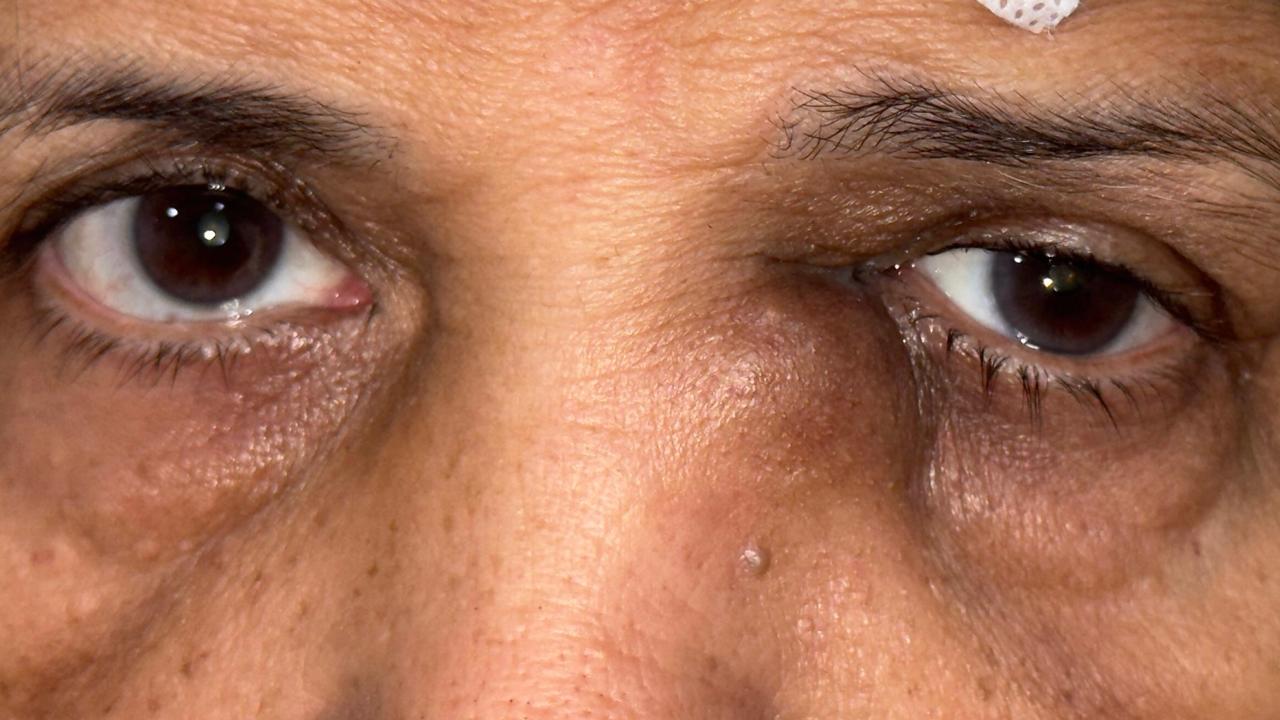
Tear Duct Infection
The tear duct system plays a crucial role in maintaining eye health. Tears are continuously produced by the lacrimal glands, spreading across the eye surface to keep it moist, clean, and free of irritants. After lubricating the eyes, tears drain through small openings called puncta, located at the inner corners of the upper and lower eyelids. From there, they travel through narrow channels into the lacrimal sac, and finally down into the nasolacrimal duct, which empties into the nasal cavity.
When this drainage system becomes blocked — due to inflammation, infection, or anatomical narrowing — tears accumulate. This stagnant moisture creates an ideal environment for bacteria to thrive, resulting in infection and inflammation.
Causes of Tear Duct Infection
Tear duct infections can stem from various underlying factors, including:
- Blockage of the Nasolacrimal Duct: The most common cause, often due to age-related narrowing, inflammation, or congenital defects in infants.
- Sinus or Nasal Infections: Bacteria from nearby areas, such as the nose or sinuses, can spread to the tear duct.
- Eye or Eyelid Trauma: Injury or surgery near the eye may disrupt normal tear flow.
- Nasal Polyps or Tumors: Growths inside the nasal cavity can obstruct tear drainage.
- Chronic Conjunctivitis (Eye Inflammation): Repeated infections can cause scarring and blockage in the tear pathway.
- Poor Hygiene or Cosmetic Use: Using unclean makeup products or sharing them may introduce bacteria near the eye.
Symptoms of a Tear Duct Infection
A tear duct infection often presents with distinct and uncomfortable symptoms, such as:
- Persistent tearing (watery eyes)
- Pain, tenderness, or swelling near the inner corner of the eye
- Redness and warmth over the infected area
- Pus or mucus discharge from the eye
- Crusting around the eyelids, especially after sleep
- Blurred vision due to excessive tearing or discharge
- Fever or general discomfort (in severe infections)
Types of Tear Duct Infection
Acute Dacryocystitis: A sudden infection marked by pain, redness, and swelling. The area may feel warm and tender, often with pus discharge.
Chronic Dacryocystitis: A long-standing infection where symptoms are milder but persistent. The tear duct remains partially blocked, leading to repeated infections over time.
Diagnosis
An eye specialist or ophthalmologist can diagnose dacryocystitis through a physical examination and patient history. Common diagnostic steps include:
- Visual Inspection: Checking for swelling, redness, and discharge.
- Tear Duct Probing or Irrigation: A gentle test to assess whether the tear duct is blocked.
- Fluorescein Dye Test: A harmless dye helps trace tear flow and identify blockage sites.
- Cultures: In cases of pus discharge, fluid samples may be tested to identify the causative bacteria.
Treatment Options
The treatment for a tear duct infection depends on the severity and cause of the blockage. The main goal is to clear the infection and restore proper tear drainage.
- Antibiotics: For acute infections, oral or topical antibiotic drops (such as ciprofloxacin or tobramycin) are prescribed.
- Warm Compresses: Applying a warm, moist cloth over the affected area several times a day helps reduce swelling, relieve discomfort, and promote drainage.
- Gentle Massage (Crigler’s Massage): Especially effective in infants, this technique involves gently massaging the area between the eye and the nose to help open the blocked duct.
- Drainage of Abscess: If a pocket of pus (abscess) forms, a minor procedure may be needed to drain it and relieve pressure.
- DCR( dacryocystorhinostomy) Surgical Treatments: When conservative methods fail, DCR( dacryocystorhinostomy) surgery may be recommended to create a new tear drainage pathway.
Tear Duct Infections in Infants
Many newborns are born with partially blocked tear ducts, leading to mild tearing or discharge within the first few months of life. Fortunately, in most cases, the condition resolves naturally by the age of one as the duct matures.
Complications if Left Untreated
If a tear duct infection is not treated promptly, it can lead to serious complications, such as:
- Formation of an abscess (a pus-filled lump)
- Spread of infection to the surrounding tissues (cellulitis)
- Chronic tearing and recurrent infections
- Scarring or permanent blockage of the tear duct
Prevention and Home Care
While not all tear duct infections can be prevented, maintaining good eye hygiene and following certain habits can reduce the risk:
- Wash hands frequently and avoid touching or rubbing the eyes.
- Remove eye makeup thoroughly before sleeping.
- Avoid using expired or shared cosmetics.
- Manage sinus or nasal infections promptly.
Prognosis
With timely and appropriate treatment, most patients recover fully from tear duct infections. Mild cases often respond well to antibiotics and home remedies, while surgical options offer lasting relief for chronic blockages.