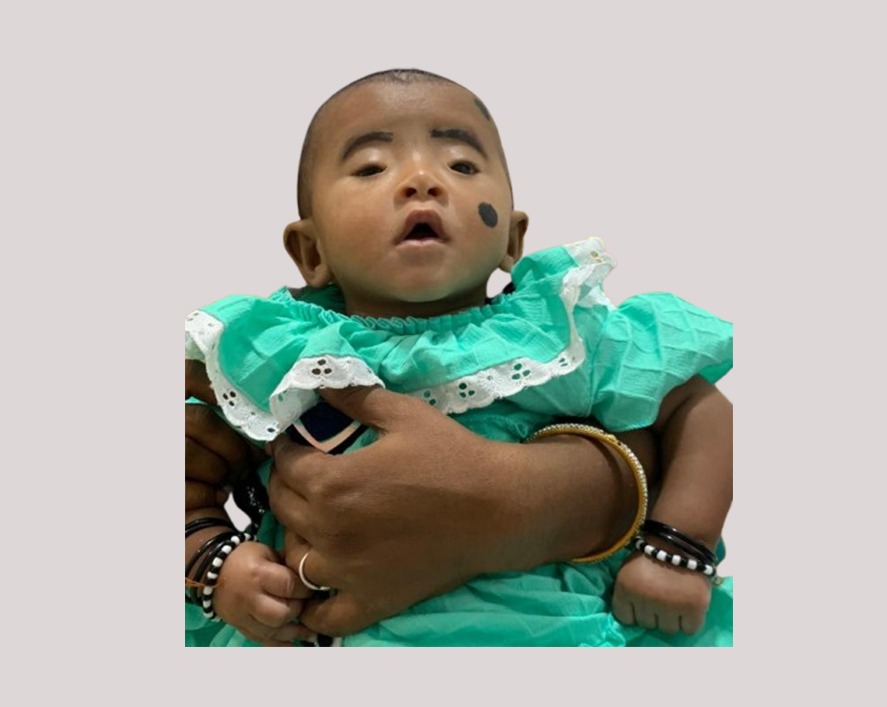
Eye Birth Defects Treatment in Gurugram
Birth Defects
Eye birth defects include conditions like anophthalmia (absence of eyes), microphthalmia (small eyes), coloboma (missing eye tissue), congenital cataracts (cloudy lenses), and congenital glaucoma (high eye pressure). These defects can affect the eyelids, optic nerve, cornea, or the entire eyeball and can sometimes be associated with other congenital syndromes affecting the face or brain.
Common types of eye birth defects
- Anophthalmia: The complete absence of one or both eyes.
- Microphthalmia: An abnormally small eyeball.
- Coloboma: A condition where a part of the eye is missing, such as the iris, retina, or optic nerve.
- Congenital Cataracts: Cloudiness of the eye's lens at birth.
- Congenital Glaucoma: Elevated pressure inside the eye that can damage the optic nerve.
- Optic Nerve Hypoplasia: The optic nerve does not develop fully.
- Aniridia: A person is born without part or all of the iris.
- Eyelid anomalies: Issues with the eyelids, such as drooping (ptosis) or being malformed.
- Corneal Opacity: Cloudiness or scarring of the cornea.
Potential causes
- Genetic mutations: Changes in specific genes can cause these defects.
- Maternal factors: The use of certain medications, illicit drugs, or alcohol during pregnancy can contribute to these conditions.
- Infections: Maternal infections during pregnancy can also be a cause.
Treatment and management
Treatment varies depending on the specific defect. It can involve plastic surgery to correct eyelid problems. Management may require a combination of approaches and consultations with specialists like general practitioners or pediatric ophthalmologists. Early treatment can help with the child's development, even if vision cannot be restored.