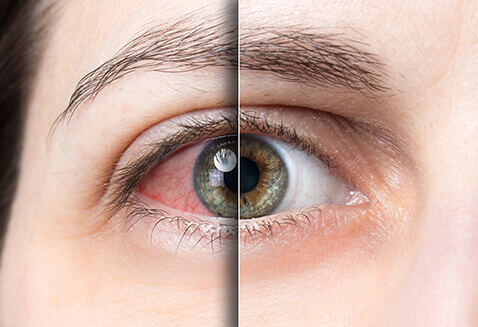
Dry Eye Treatment
Dry eye, also known as Keratoconjunctivitis Sicca, occurs when the eyes do not produce enough tears or when the tears evaporate too quickly. Tears are not simply water—they are a complex mixture of oils, water, and mucus that nourish and protect the eye’s surface.
This tear film consists of three essential layers:
- Lipid Layer: The outermost oily layer produced by the meibomian glands prevents tear evaporation.
- Aqueous Layer: The middle watery layer from the lacrimal glands provides hydration and nutrients.
- Mucin Layer: The innermost layer helps tears spread evenly over the cornea.
Any imbalance or dysfunction in these layers can lead to dryness, irritation, and inflammation.
Causes of Dry Eye
The origins of dry eye are multifactorial, often combining environmental, medical, and lifestyle influences. Common causes include:
- Aging: Tear production naturally declines with age.
- Screen Use: Prolonged computer or smartphone use reduces blink frequency.
- Hormonal Changes: Especially in women during menopause or pregnancy.
- Contact Lens Wear: Can interfere with tear stability.
- Certain Medications: Antihistamines, antidepressants, and diuretics can reduce tear secretion.
- Autoimmune Disorders: Conditions like Sjögren’s Syndrome, rheumatoid arthritis, or lupus.
- Environmental Factors: Wind, smoke, pollution, or dry climates.
- Eye Surgeries: Procedures like LASIK may temporarily disrupt tear production.
Symptoms of Dry Eye
Dry eye manifests with varying degrees of discomfort, often described as a persistent irritation rather than sharp pain. Common symptoms include:
- Burning or stinging sensation
- Redness and inflammation
- Grittiness or feeling of sand in the eyes
- Excessive tearing (a reflex to dryness)
- Sensitivity to light
- Blurred or fluctuating vision
- Difficulty wearing contact lenses
- Fatigue or strain during prolonged visual tasks
If left untreated, chronic dryness can damage the corneal surface, increasing the risk of infection and scarring.
Diagnosis
Diagnosis begins with a comprehensive eye examination. Ophthalmologists may perform specialized tests to determine tear quality and quantity:
- Schirmer’s Test: Measures tear production using a small strip of paper placed beneath the eyelid.
- Tear Film Break-Up Time (TBUT): Assesses tear stability and evaporation rate.
- Fluorescein or Lissamine Staining: Highlights areas of dryness or surface damage.
- Meibography: Evaluates the function and health of the meibomian glands.
These assessments guide the choice of treatment, which is tailored to the severity and root cause of the dryness.
Treatment Options for Dry Eye
Managing dry eye is not a one-size-fits-all approach. The aim is to restore a healthy tear film, reduce inflammation, and relieve symptoms. Treatments may range from simple lifestyle adjustments to advanced medical interventions.
-
Artificial Tears and Lubricating Eye Drops
Over-the-counter artificial tears are often the first line of defense. These lubricating drops mimic natural tears, providing instant relief from dryness. For mild cases, non-preservative formulations are preferred, especially for frequent use.
There are several types:
- Aqueous-based drops: Replenish moisture.
- Lipid-enhanced drops: Restore the oily layer to prevent evaporation.
- Gel or ointment forms: Offer long-lasting relief, especially during sleep.
-
Prescription Medications
When over-the-counter options are insufficient, doctors may prescribe medicated eye drops to target inflammation and increase natural tear production:
- Cyclosporine (Restasis®): Reduces immune inflammation and promotes tear gland function.
- Lifitegrast (Xiidra®): Decreases inflammation on the eye surface by blocking specific immune pathways.
- Corticosteroid Drops: Used for short-term relief of acute inflammation under medical supervision.
For patients with meibomian gland dysfunction, oral antibiotics like doxycycline may help regulate oil production and reduce inflammation.
-
Punctal Plugs (Tear Duct Occlusion)
To prevent tears from draining too quickly, ophthalmologists may insert punctal plugs—tiny silicone or collagen devices—into the tear ducts. By blocking drainage, natural and artificial tears remain longer on the eye’s surface, enhancing lubrication.
This simple, painless procedure can be temporary or permanent depending on the patient’s needs.
-
Warm Compresses and Eyelid Hygiene
For those with evaporative dry eye due to meibomian gland dysfunction, daily eyelid care is essential.
- Applying warm compresses helps melt and release blocked oils from the glands.
- Lid scrubs or gentle cleansing with baby shampoo or medicated wipes remove debris and bacteria from the eyelid margins.
- In-office treatments such as LipiFlow® or iLux® use heat and massage to unclog oil glands effectively.
Regular eyelid hygiene can significantly reduce symptoms and prevent recurrences.
-
Nutritional and Lifestyle Interventions
Diet plays a subtle yet powerful role in maintaining tear health. Incorporating foods rich in omega-3 fatty acids—such as salmon, flaxseeds, and walnuts—can improve tear film stability and reduce inflammation.
Other useful lifestyle measures include:
- Staying hydrated throughout the day.
- Blinking consciously during screen time.
- Using humidifiers in dry environments.
- Wearing protective glasses outdoors to shield against wind and dust.
Simple changes, when practiced consistently, can bring profound relief over time.
-
Advanced Therapies
For chronic or severe dry eye cases unresponsive to standard treatments, advanced options are available:
- Autologous Serum Eye Drops: Made from the patient’s own blood, these drops are rich in growth factors and healing proteins, mimicking natural tears closely.
- Amniotic Membrane Therapy: Used in cases of corneal damage, this biological membrane promotes healing and reduces inflammation.
- Intense Pulsed Light (IPL) Therapy: Targets abnormal blood vessels and improves meibomian gland function.
- Scleral Contact Lenses: Large-diameter lenses that vault over the cornea and trap a fluid reservoir, offering constant hydration for severe cases.
These modern treatments offer hope to those suffering from long-standing or complex forms of dry eye.
Complications of Untreated Dry Eye
While often underestimated, untreated dry eye can lead to serious complications, including:
- Chronic corneal inflammation or ulcers
- Infections due to impaired tear protection
- Scarring and permanent vision distortion
- Decreased quality of life, productivity, and comfort
Hence, consistent care and early intervention are crucial.
The Emotional and Lifestyle Impact
Dry eye is not merely a physical ailment—it can affect concentration, sleep, mood, and emotional well-being. Constant discomfort and blurred vision may lead to frustration or social withdrawal. Understanding the chronic nature of the condition and adopting a structured treatment plan helps patients regain comfort and confidence.