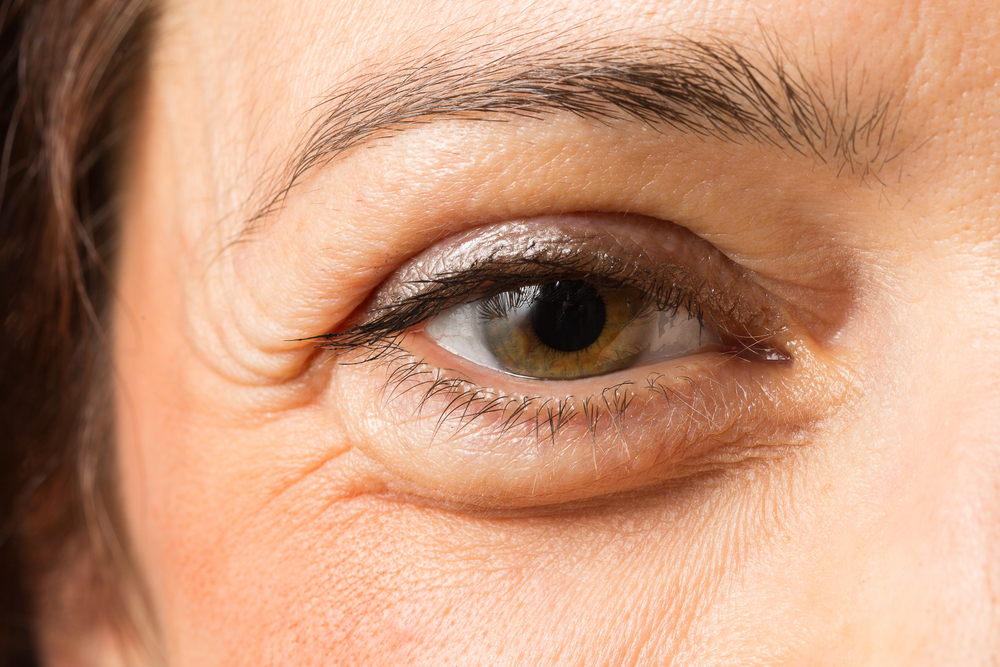
Eyelid Malposition Treatment in Gurugram
Eyelid Malposition
Eyelid malposition is a condition in which the eyelids are misaligned from their normal anatomical position, leading to functional and aesthetic concerns. This term encompasses a variety of abnormalities, including ectropion (outward-turned eyelid), entropion (inward-turned eyelid), ptosis (drooping eyelid), and eyelid retraction. Malposition can affect one or both eyes and may result from aging, trauma, infection, scarring, or congenital abnormalities. Proper diagnosis and timely management are essential to protect the eyes from irritation, dryness, infections, or vision impairment.
The eyelids serve crucial functions: protecting the eyes, distributing tears, and maintaining ocular surface health. When eyelids are misaligned, these functions are disrupted, leading to exposure, irritation, or mechanical injury to the cornea. Malposition can involve the upper eyelid, lower eyelid, or both, and it may be constant or intermittent depending on the underlying cause.
Common Types of Eyelid Malposition
Ectropion (Outward-Turning Eyelid):
The lower eyelid turns outward, exposing the inner surface. Commonly seen in older adults due to age-related tissue laxity. Leads to excessive tearing, redness, and increased risk of infections.
Entropion (Inward-Turning Eyelid):
The eyelid, usually lower, turns inward toward the eye. Causes lashes to rub against the cornea, resulting in irritation, redness, and potential corneal ulcers.
Ptosis (Drooping Eyelid):
The upper eyelid sits lower than normal, partially or completely covering the pupil. Can be congenital, age-related, or due to nerve/muscle disorders.
Eyelid Retraction:
The eyelid is abnormally elevated, exposing more of the eye than usual. Often associated with thyroid eye disease or post-surgical changes.
Other Malpositions:
- Canthal malposition: Abnormal position of the inner or outer eyelid corners.
- Cicatricial malposition: Caused by scarring from burns, trauma, or chronic inflammation.
Causes of Eyelid Malposition
Eyelid malposition can result from multiple factors:
- Age-Related Tissue Laxity: Weakening of eyelid muscles and supporting ligaments.
- Trauma: Fractures, burns, or lacerations affecting eyelid alignment.
- Infections: Chronic infections can scar the eyelids, altering their position.
- Congenital Abnormalities: Some children are born with eyelid malformations.
- Previous Surgery: Blepharoplasty or other eyelid surgeries may lead to scarring or misalignment.
- Neurological or Muscular Disorders: Conditions such as myasthenia gravis or facial nerve palsy can disrupt eyelid function.
- Systemic Conditions: Thyroid eye disease and connective tissue disorders can lead to abnormal eyelid positioning.
Symptoms of Eyelid Malposition
Symptoms vary depending on the type and severity of malposition:
- Eye irritation, burning, or foreign body sensation
- Redness and chronic tearing
- Corneal exposure or dryness
- Difficulty closing or opening the eye
- Blurred vision or double vision
- Cosmetic concerns due to asymmetry or abnormal eyelid contour
In severe cases, untreated malposition may lead to corneal ulcers, infections, or vision loss.
Diagnosis
Diagnosis requires a comprehensive eye and eyelid examination, which may include:
- Visual Acuity Test: To check for vision impairment.
- Slit Lamp Examination: Evaluates cornea, conjunctiva, and eyelid health.
- Eyelid Laxity and Muscle Function Tests: Assess muscle strength and eyelid mobility.
- Imaging Studies (CT or MRI): Used in trauma, tumors, or complex cases.
- Systemic Evaluation: Blood tests for thyroid function or autoimmune conditions when relevant.
Treatment Options for Eyelid Malposition
Treatment is tailored based on the specific type of malposition, its severity, and underlying cause.
1. Non-Surgical Management
- Lubricating Eye Drops or Ointments: Reduce dryness and protect the cornea.
- Moisture Shields: Retain eye moisture, especially during sleep.
- Taping or Temporary Splints: Used for short-term management, particularly after surgery or trauma.
- Treatment of Underlying Conditions: Controlling thyroid disease or infections can improve eyelid alignment in some cases.
2. Surgical Management
Surgery is often required for functional or severe cosmetic correction:
- Ectropion Repair: Tightening the eyelid or repositioning the canthus to prevent outward turning.
- Entropion Repair: Rotating the eyelid outward or tightening supporting structures to prevent inward lash irritation.
- Ptosis Surgery: Shortening or reattaching the levator muscle to lift the drooping eyelid.
- Eyelid Retraction Correction: Releasing or repositioning the eyelid muscles to lower elevated lids.
- Canthoplasty or Canthopexy: Reinforces the eyelid corners to improve stability and alignment.
- Spacer Grafts: Used in cicatricial malpositions to replace lost tissue and restore proper contour.
Postoperative Care
After surgery, proper care is crucial:
- Apply cold compresses to reduce swelling.
- Use antibiotic ointments or eye drops as prescribed.
- Avoid eye rubbing or strenuous activity for 1–2 weeks.
- Attend all follow-up appointments to monitor healing and eyelid position.
Recovery varies but generally results in improved eyelid alignment, reduced irritation, and enhanced eye protection.
Complications
Potential complications of eyelid malposition or its treatment include:
- Overcorrection or undercorrection
- Temporary or permanent asymmetry
- Swelling, bruising, or scarring
- Dry eyes or incomplete eyelid closure
- Recurrence in progressive or systemic conditions
With careful surgical planning and postoperative care, most complications can be minimized or corrected.
Prevention and Early Intervention
Although not all malpositions can be prevented, early detection and management reduce complications:
- Seek prompt evaluation for sudden eyelid changes.
- Protect eyes during sports or high-risk activities.
- Treat infections, trauma, or systemic diseases early.
- Avoid repeated eye rubbing or irritation.