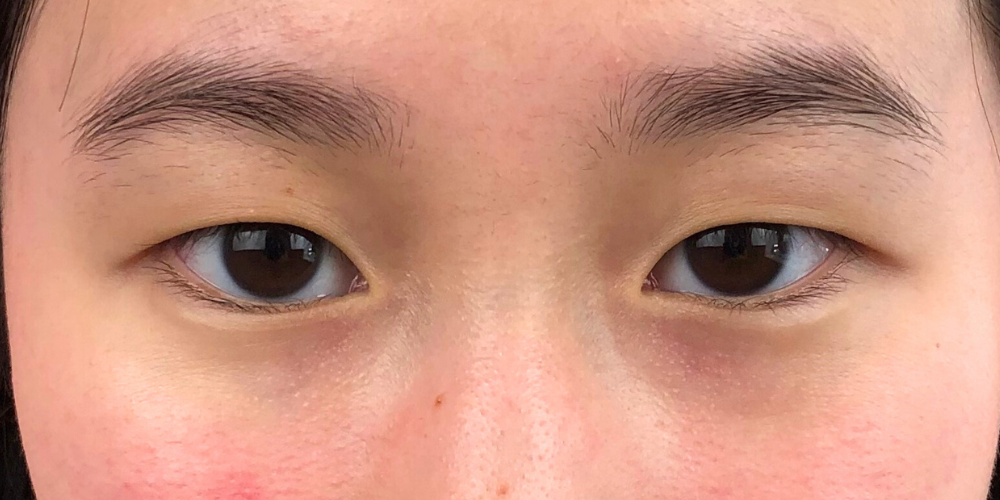
In the vast realm of aesthetic refinement, few procedures have captured the world’s fascination as deeply as Double Eyelid Surgery, also known as Asian Blepharoplasty. This delicate surgical artistry transforms the natural contours of the eyelid, creating a visible crease that defines and enhances the eyes’ appearance. For many, it symbolizes more than beauty—it’s a bridge between cultural identity, confidence, and self-expression.
Understanding Double Eyelid Surgery
The human eyelid, though a small feature, plays a profound role in shaping facial harmony. Some individuals—particularly those of East Asian descent—are naturally born without a visible upper eyelid crease, known as a monolid. Double Eyelid Surgery introduces a natural-looking fold, forming what is known as a double eyelid. The result is an eye that appears larger, brighter, and more expressive without altering one’s natural ethnicity or unique character.
This procedure, though cosmetic, carries deep emotional significance. It enhances the definition of the eyes, allows for more versatile makeup application, and often helps individuals feel more confident in their appearance. Beyond aesthetics, it reflects a personal choice—a desire to harmonize one’s inner perception with outer appearance.
The Science Behind the Procedure
At its essence, Double Eyelid Surgery reshapes the connection between the skin and underlying muscle of the upper eyelid. By creating a crease, the surgeon ensures that when the eye opens, the skin folds naturally in the same position every time.
There are two primary techniques:
- Incisional Method: In this technique, a small incision is made along the upper eyelid line. Excess skin, muscle, or fat is carefully removed or repositioned to sculpt a permanent, well-defined crease. This method is ideal for those with thicker eyelids or sagging skin, as it allows for precise customization and long-lasting results.
- Non-Incisional (Suture) Method: Here, the crease is formed using fine sutures that link the eyelid skin to the underlying tissue, without cutting the skin. It’s minimally invasive, offers faster recovery, and is often chosen by younger patients or those with thinner skin. However, it may not last as long as the incisional approach.
In both methods, the ultimate goal is harmony—a crease that complements the patient’s facial proportions, eye shape, and natural features.
Why People Choose Double Eyelid Surgery
The motivations for pursuing this procedure vary widely, yet all share a common desire for self-enhancement rather than transformation. Some of the key reasons include:
- Enhanced Definition: The newly created fold gives the eyes a more open, alert, and symmetrical look.
- Ease of Makeup Application: The double fold provides a natural contour for eyeliner and eyeshadow, simplifying cosmetic styling.
- Correction of Asymmetry: The surgery can balance uneven eyelids, improving facial symmetry.
- Cultural and Personal Expression: For some, it aligns with their aesthetic ideals; for others, it restores lost youthfulness or improves vision affected by drooping skin.
- Confidence Boost: The refined appearance often leads to a greater sense of assurance in social and professional settings.
The Surgical Journey
- Consultation and Planning:
The process begins with an in-depth consultation. The surgeon studies the patient’s eye anatomy—skin thickness, crease height, fat distribution, and facial symmetry. Together, they determine the crease type: parallel, tapered, or semi-parallel. Every choice is tailored to achieve natural, personalized results.
- The Procedure:
The surgery typically lasts between 45 minutes to two hours, depending on the chosen method. Local anesthesia with mild sedation is commonly used, allowing the patient comfort without general anesthesia risks. Through careful precision, the surgeon marks the eyelid, ensuring that the new fold aligns with facial proportions. Using fine instruments, the crease is sculpted—either by incision or sutures—bringing definition to the eyes.
- Recovery and Healing:
Post-surgery, patients may experience mild swelling, bruising, or tenderness—natural signs of healing. Cold compresses and prescribed ointments soothe the area, while avoiding strenuous activity aids recovery. Within 7 to 10 days, most can return to normal routines, though final results may take several weeks as the eyelids settle into their new contour.
Expected Results and Longevity
The transformation is subtle yet striking. The eyes appear naturally larger and more expressive without looking “surgical.” With the incisional technique, results often last a lifetime, while non-incisional methods may require touch-ups over the years. Once healed, the crease blends seamlessly with the skin’s natural lines, enhancing one’s expression without betraying artificiality.
Risks and Considerations
While Double Eyelid Surgery is considered safe when performed by a qualified surgeon, like any procedure, it carries potential risks:
- Infection or bleeding
- Temporary dryness or irritation
- Asymmetry or uneven creases
- Overcorrection or undercorrection
- Scarring (rare with expert technique)
Choosing an experienced and certified plastic surgeon is paramount. Their expertise ensures that the procedure balances artistry with anatomical precision, minimizing risks and achieving a harmonious outcome.
Cultural Significance and Misconceptions
Double Eyelid Surgery often carries cultural layers beyond cosmetics. In East Asian countries such as South Korea, Japan, and China, it has become one of the most popular aesthetic surgeries. Yet, it’s vital to understand that the procedure is not about Westernization—it’s about personal preference and self-expression. Most patients seek to refine, not change, their identity. The goal is harmony, not imitation.
In fact, the beauty of the procedure lies in its subtlety. A skillful surgeon respects ethnic identity, crafting a crease that enhances rather than erases natural heritage. The outcome should reflect the individual’s essence—authentic, confident, and gracefully defined.
Non-Surgical Alternatives
For those hesitant about surgery, non-invasive options exist, though temporary:
- Eyelid Tape or Glue: Widely used in Asia, these adhesive strips create a temporary crease, ideal for experimenting with shapes before committing to surgery.
- Radiofrequency Skin Tightening: Stimulates collagen to subtly lift and firm the upper eyelid skin.
- Thread Lifting: A minimally invasive option that uses threads to form a short-lived crease.
While these methods offer short-term improvement, they cannot replicate the precision or permanence of surgical double eyelids.
Emotional and Psychological Impact
Beyond the mirror, Double Eyelid Surgery often reshapes self-perception. Many patients report heightened self-esteem, feeling more awake, youthful, and confident. For some, the procedure marks a personal milestone—an external reflection of internal transformation. It allows them to present themselves authentically to the world, unburdened by insecurity.
However, realistic expectations remain vital. The surgery can enhance beauty but not redefine self-worth. The truest success lies not in transformation but in balance—when the external subtly reflects the inner self.